




What should be the pH?
01/22/2025 23:49:14 Poradniki
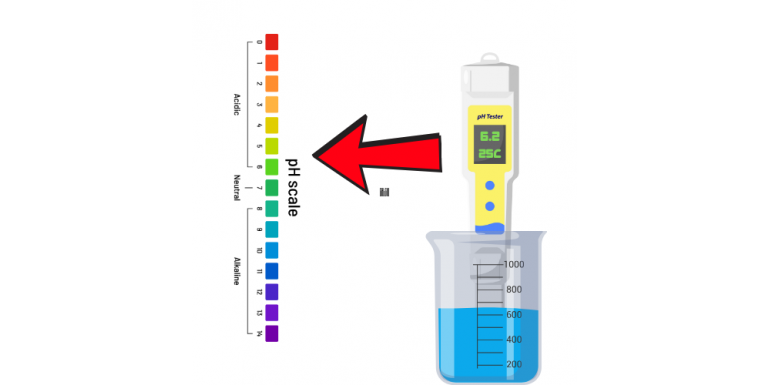
How pH Affects Plants – How to Measure and Adjust pH
The pH level of water, nutrient solution and growing medium has a major influence on the availability of nutrients to plants. Even correctly selected plant fertilizers may not produce the expected results if conditions in the root zone make it difficult for plants to absorb certain mineral nutrients.
For this reason, when diagnosing plant nutrition problems, it is worth checking not only fertilizer dosage but also pH and EC. Regular measurements make it easier to detect problems early and distinguish limited nutrient availability from an actual lack of fertilizer.
Table of Contents
- How does pH affect nutrient availability?
- Why is it worth monitoring pH?
- How can you recognise pH-related problems?
- What is nutrient lockout?
- Does the correct pH depend on the plant's growth stage?
- How to monitor and adjust pH
- Measuring pH with a drop test
- Measuring pH with a digital meter
- Frequently asked questions
- Summary
How does pH affect nutrient availability?
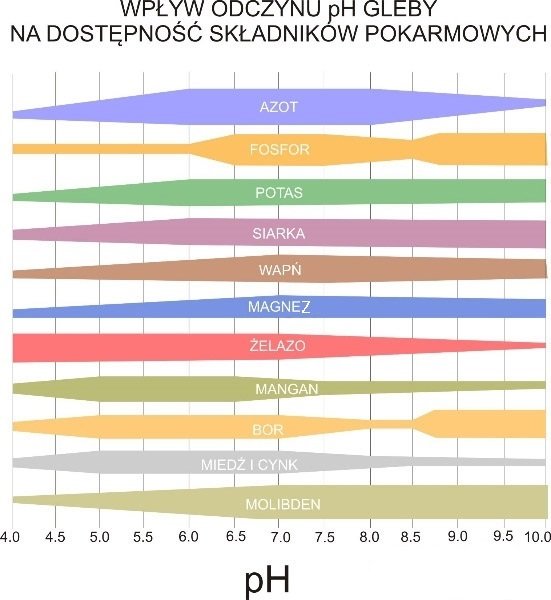
The pH level affects the solubility and availability of many mineral nutrients present in water, nutrient solution and growing media. As a result, a plant may show deficiency symptoms even when a particular nutrient is present in the root zone.
Changes in pH influence the availability of nitrogen, phosphorus, potassium, calcium, magnesium and numerous micronutrients. However, this does not mean that there is one perfect pH level for every plant and every growing method.
Important factors include:
- plant species,
- type of growing medium,
- water quality,
- type of fertilizer,
- growing method.
For example, soil has different buffering properties than coco or hydroponic systems. When choosing the correct pH range, it is therefore best to follow the recommendations of the growing-medium and fertilizer manufacturers.
The chart below illustrates the relationship between pH and the availability of selected micro- and macronutrients:
Why is it worth monitoring pH?
Regular pH monitoring helps maintain more stable conditions in the root zone. This is particularly important when using intensive feeding programmes or growing systems in which nutrient-solution parameters can change relatively quickly.
Monitoring pH can help to:
- maintain good nutrient availability,
- identify problems with water or nutrient solution sooner,
- avoid unnecessary increases in fertilizer dosage,
- interpret leaf symptoms more accurately,
- monitor the stability of prepared nutrient solutions.
It is also worth checking pH together with electrical conductivity. For this purpose, you can use pH and EC meters.
How can you recognise pH-related problems?
There is no single symptom that proves that incorrect pH is the cause of a problem. Similar symptoms may result from nutrient deficiencies, overfeeding, root problems, incorrect watering or excessive salt concentration in the growing medium.
Symptoms that may justify checking pH include:
- slow growth,
- yellowing leaves,
- interveinal chlorosis,
- brown or rust-coloured spots,
- dry or burnt leaf tips,
- unusual discolouration,
- deformation of young leaves,
- problems appearing despite regular feeding.
Can a pH that is too low cause problems?
Yes. An excessively acidic environment can change the availability of individual nutrients and disturb nutrient balance. Some elements may become more readily available, while the uptake of others may be restricted.
Can a pH that is too high cause deficiencies?
Yes. Excessively high pH can also limit the availability of certain mineral nutrients. For this reason, visible deficiency symptoms should not automatically be interpreted as a need for more fertilizer.
What should you do if you suspect a pH problem?
First, take a reliable measurement and check the other important growing parameters. If the pH requires correction, use products designed specifically for pH adjustment and follow the manufacturer's instructions.
Products for adjusting acidity and alkalinity are available in our pH regulation category.
Nutrient lockout – what does it mean?
Nutrient lockout describes a situation in which nutrients are present in the growing medium or nutrient solution but the plant is unable to absorb them efficiently.
Incorrect pH is one possible cause. The problem may also be related to excessive mineral-salt concentration, poor root health or incorrect watering.
If a deficiency is suspected, it is worth checking:
- pH,
- EC,
- watering practices,
- condition of the growing medium,
- root health,
- the current feeding programme.
Only then can you determine whether the problem requires adjusting the growing conditions or changing the feeding programme.
Does the correct pH depend on the plant's growth stage?
Plants' nutritional requirements change during different stages of development, but this does not mean that there is one universal pH value for every growth stage.
The appropriate range depends primarily on the growing medium, water quality and feeding programme. Instead of aiming for one fixed number in every situation, it is better to follow the range recommended by the substrate and fertilizer manufacturers and monitor whether pH remains stable.
If you use a complete feeding programme, also check the recommendations of the specific manufacturer. Our shop offers fertilizers and additives for different growing methods.
How to monitor and adjust pH
pH can be checked with simple colour-based tests or digital measuring instruments. For frequent measurements, an electronic meter is usually more convenient because it provides a more precise and easily comparable reading.
If adjustment is necessary, it is best to use products specifically designed for pH correction. Always follow the manufacturer's instructions and check the pH again after making an adjustment.
Useful categories:
Measuring pH with a drop test
A drop test is a simple method that allows you to determine the approximate pH of a sample.
- Take a sample of water or prepared nutrient solution.
- Add the indicator according to the manufacturer's instructions.
- Compare the resulting colour with the scale supplied with the test.
- Use the result to estimate the pH range.
The advantage of drop tests is their low cost and simple operation. Their disadvantage is lower precision compared with a good-quality electronic meter.
Measuring pH with a digital meter
A digital pH meter allows you to quickly check the acidity or alkalinity of water and nutrient solutions. For regular measurements, it is usually more convenient and precise than a simple colour test.
The accuracy of the measurement depends on the condition of the device. Important factors include:
- regular calibration,
- correct electrode storage,
- keeping the electrode clean,
- using suitable calibration and storage solutions.
Below are examples of Aqua Master and BlueLab meters – equipment intended for users who require convenient and accurate control of water and nutrient-solution parameters.
 (1).jpg)
Looking for a meter?
See our pH meters for water and nutrient solutions and the complete category of equipment for pH and EC measurement.
See our pH meters for water and nutrient solutions and the complete category of equipment for pH and EC measurement.
Frequently asked questions about pH
Why is pH important for plants?
pH affects the availability of many nutrients in the growing medium and nutrient solution. An unsuitable pH can limit nutrient uptake even when those nutrients are present in sufficient quantities.
Do yellow leaves always mean incorrect pH?
No. Yellowing leaves can have many causes. In addition to pH, it is worth checking feeding, watering, EC, environmental conditions and root health.
Should I add more fertilizer if there is a pH problem?
Not necessarily. If nutrients are already present in the growing medium but their availability is limited, increasing the fertilizer dosage may not solve the problem. Check pH and EC first.
Is a digital pH meter more accurate than a drop test?
A correctly calibrated digital pH meter usually provides a more precise and repeatable measurement. A drop test is useful for quick, approximate checks.
Why does a pH meter need to be calibrated?
The characteristics of a pH electrode can change over time. Regular calibration with appropriate reference solutions helps maintain measurement accuracy.
Are pH and EC the same thing?
No. pH describes the acidity or alkalinity of a solution, while EC measures electrical conductivity and helps estimate the concentration of dissolved salts. In practice, both parameters are useful when assessed together.
Summary
Monitoring pH is one of the basic elements of controlled plant care. It helps assess conditions in water, nutrient solution and the root zone, and makes it easier to diagnose problems related to nutrient availability.
The most important thing is to take reliable measurements regularly and analyse pH together with other parameters, especially EC, watering practices and the current feeding programme.