




Why Do Plant Leaves Turn Yellow? The Most Common Causes
03/10/2026 10:49:52 Poradniki , Growbox , CBD Cultivation
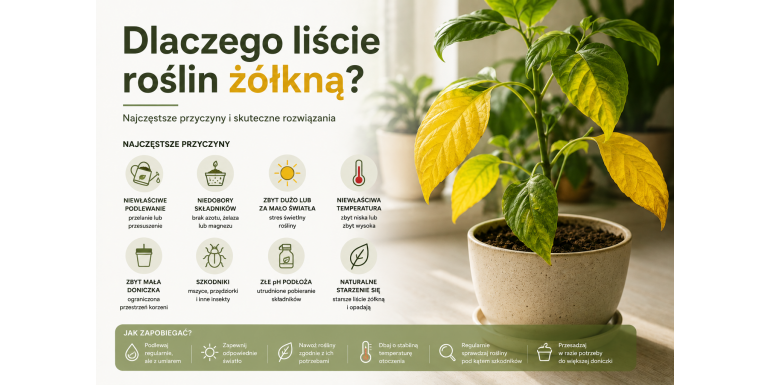
Why do plant leaves turn yellow? The most common causes
Yellowing leaves are one of the most common signs that a plant is experiencing stress or improper growing conditions. In indoor cultivation and houseplant care this problem appears very often and can have several causes such as watering mistakes, nutrient imbalance, temperature problems or poor environmental conditions.
1. Overwatering and root rot
The most common cause of yellow leaves is overwatering. When soil stays constantly wet, roots lose access to oxygen and begin to rot. Damaged roots cannot properly absorb nutrients or water.
A typical symptom is yellowing that starts from the lower leaves and gradually moves upward.
Learn more in this guide:
How to water cannabis indoor and outdoor
2. Watering too frequently
Even if the amount of water is not excessive, watering too often can lead to similar problems as overwatering.
3. Overfertilization
Too much fertilizer causes salt buildup in the growing medium and damages plant roots.
- yellow leaves
- burnt leaf tips
- slow growth
Recommended products:
4. Incorrect pH
Improper pH can cause nutrient lockout which prevents plants from absorbing nutrients.
Use measuring devices such as:
5. Excessive temperature
High temperatures can stress plants and lead to yellow leaves. Combined with strong lighting it may accelerate plant aging.
Monitor conditions using:
Temperature and humidity station
6. Lack of ventilation
Proper air circulation is essential in indoor cultivation.
Recommended equipment:
7. Insufficient lighting
Plants require enough light for photosynthesis. Lack of light may cause yellow leaves.
Related guide:
Summary
- overwatering
- watering too frequently
- overfertilization
- incorrect pH
- high temperature
- lack of ventilation
- insufficient lighting